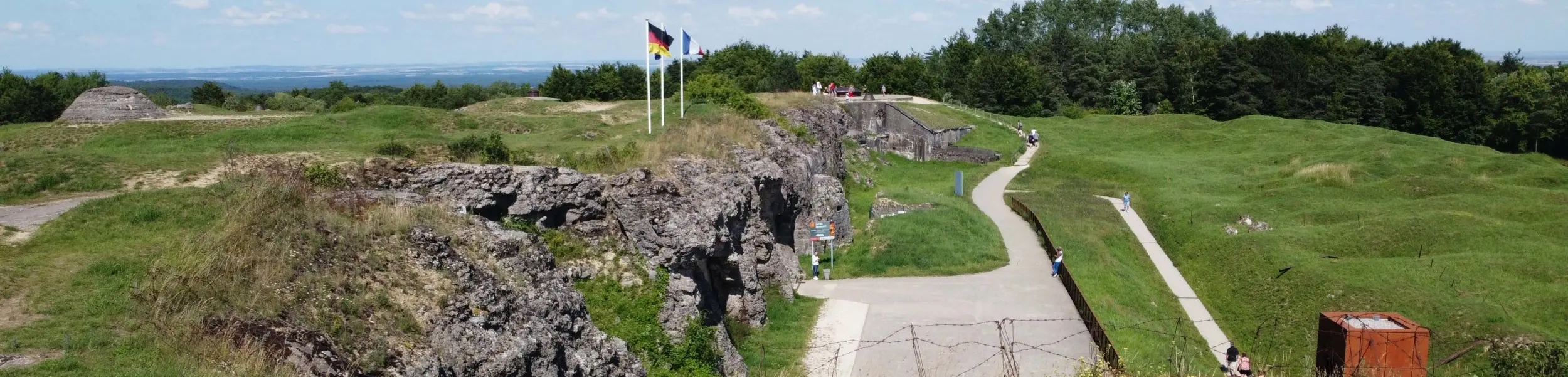
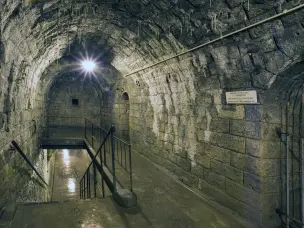
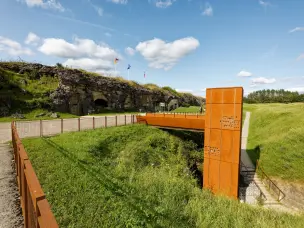
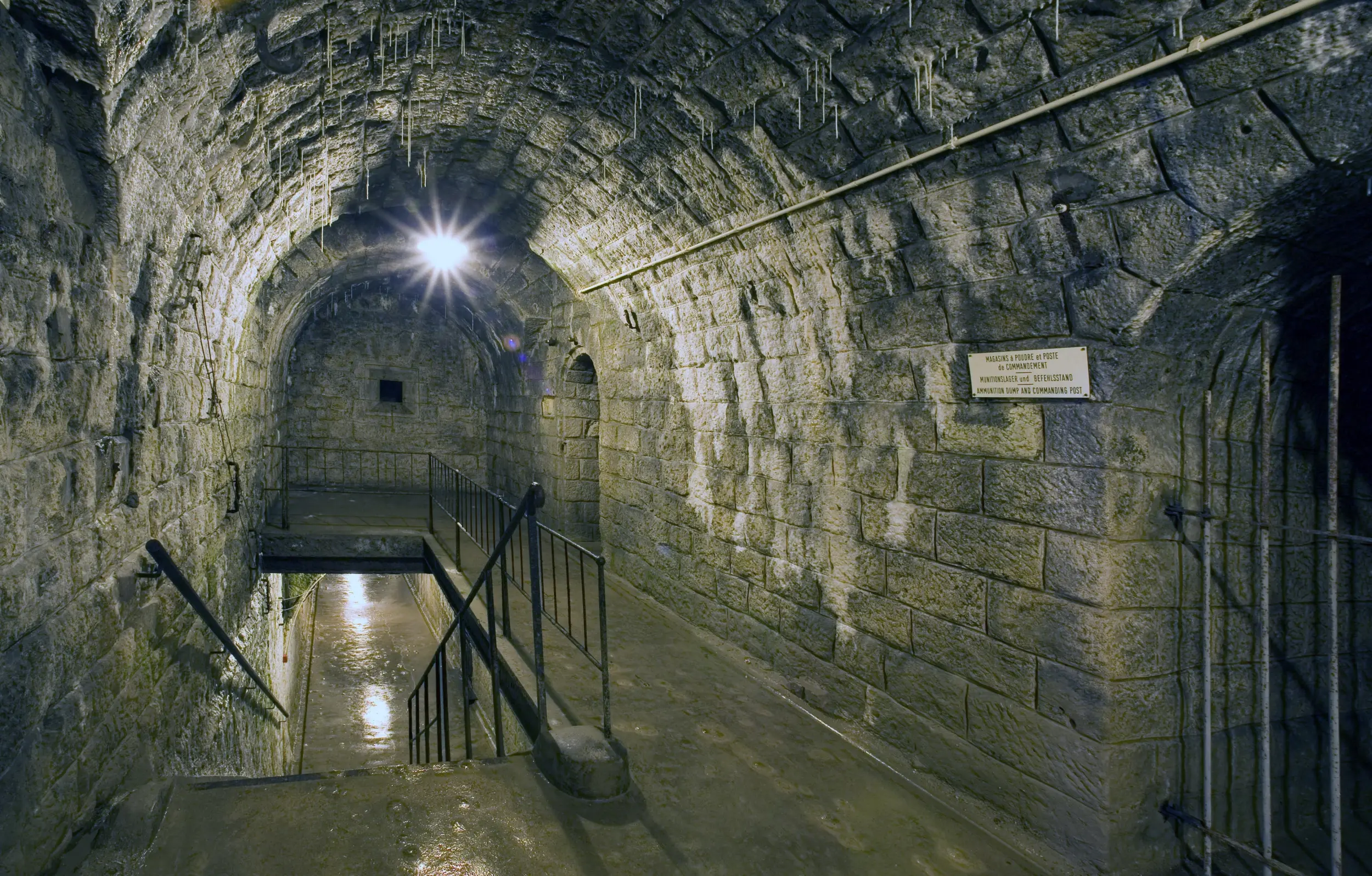
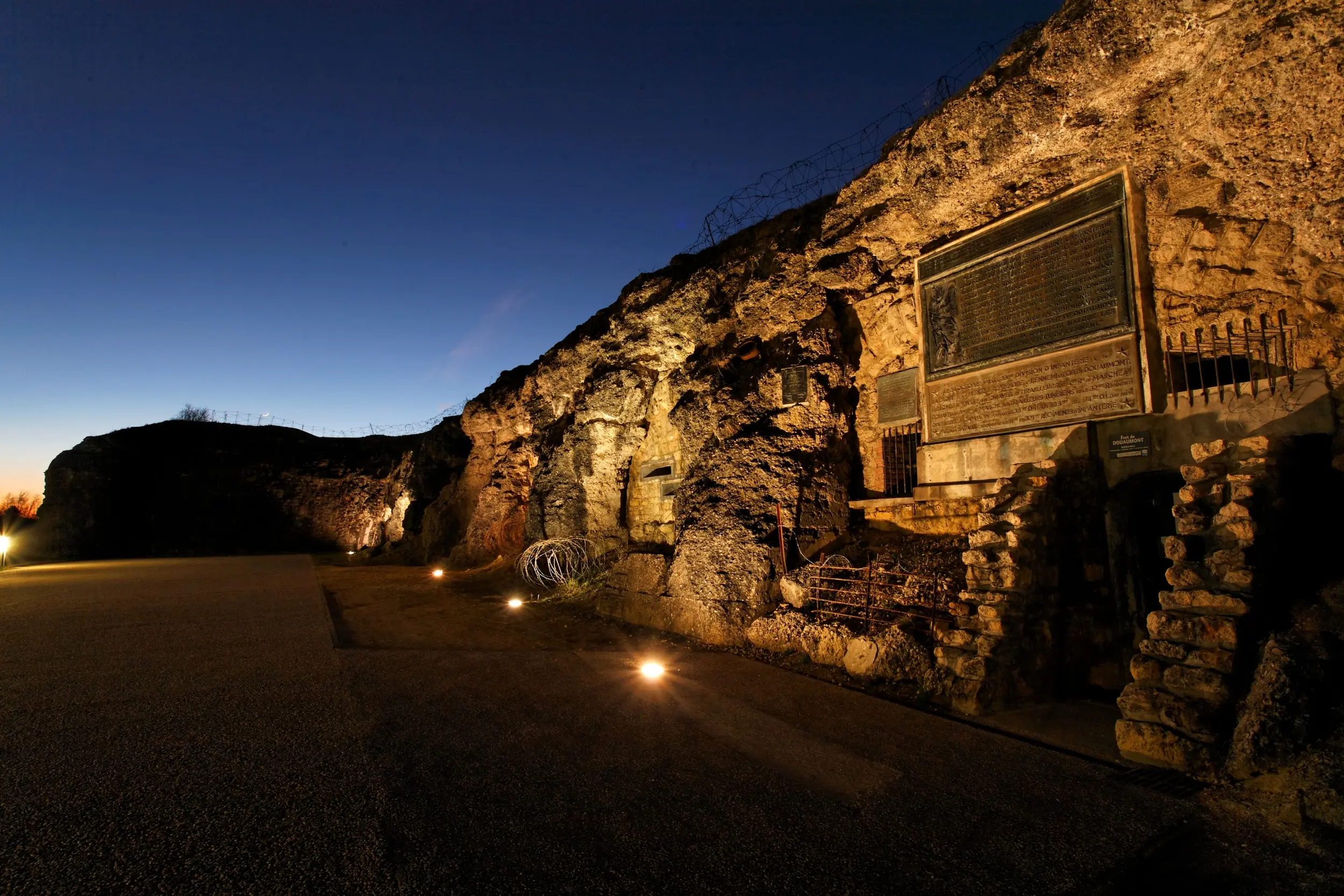
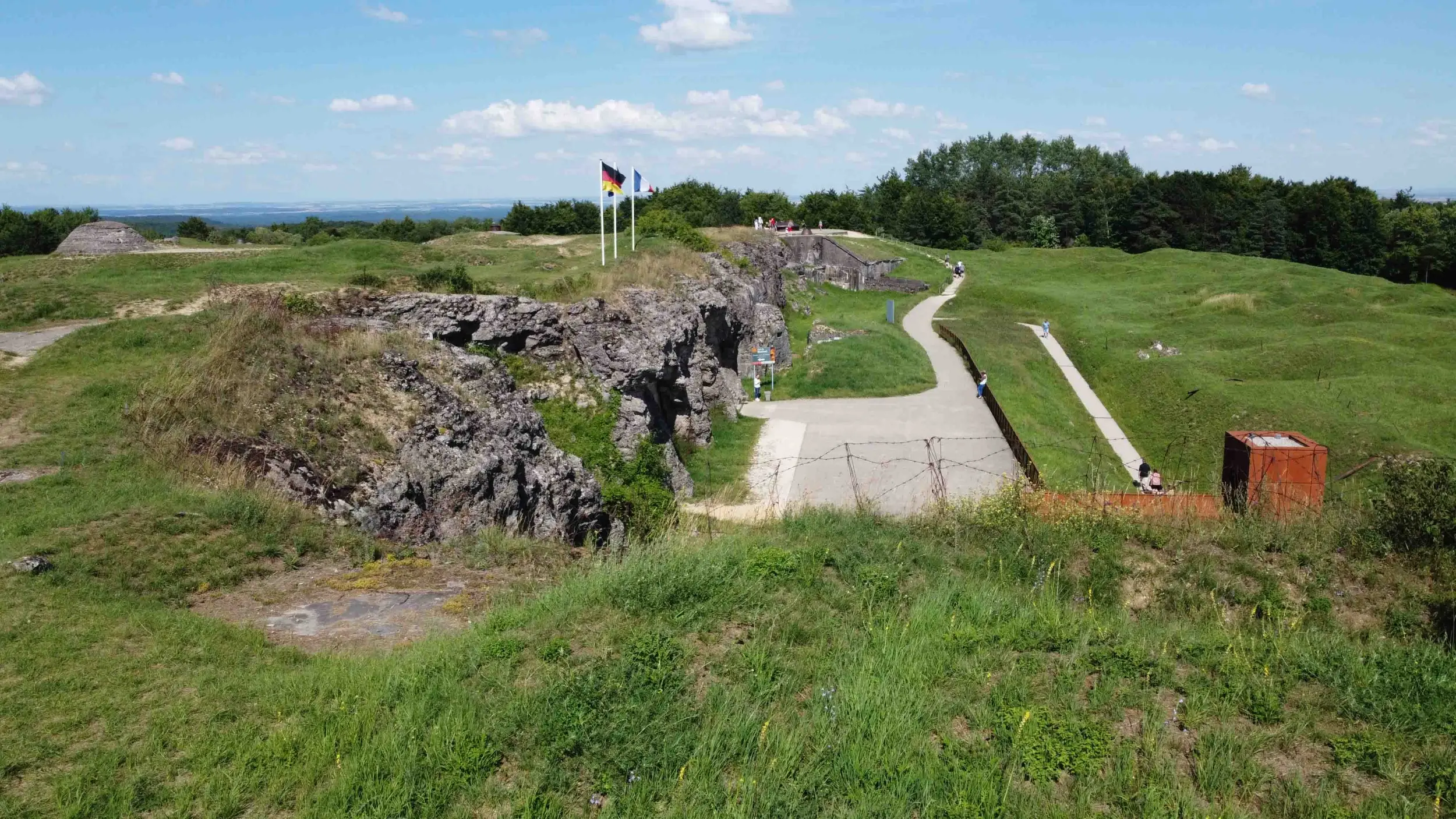
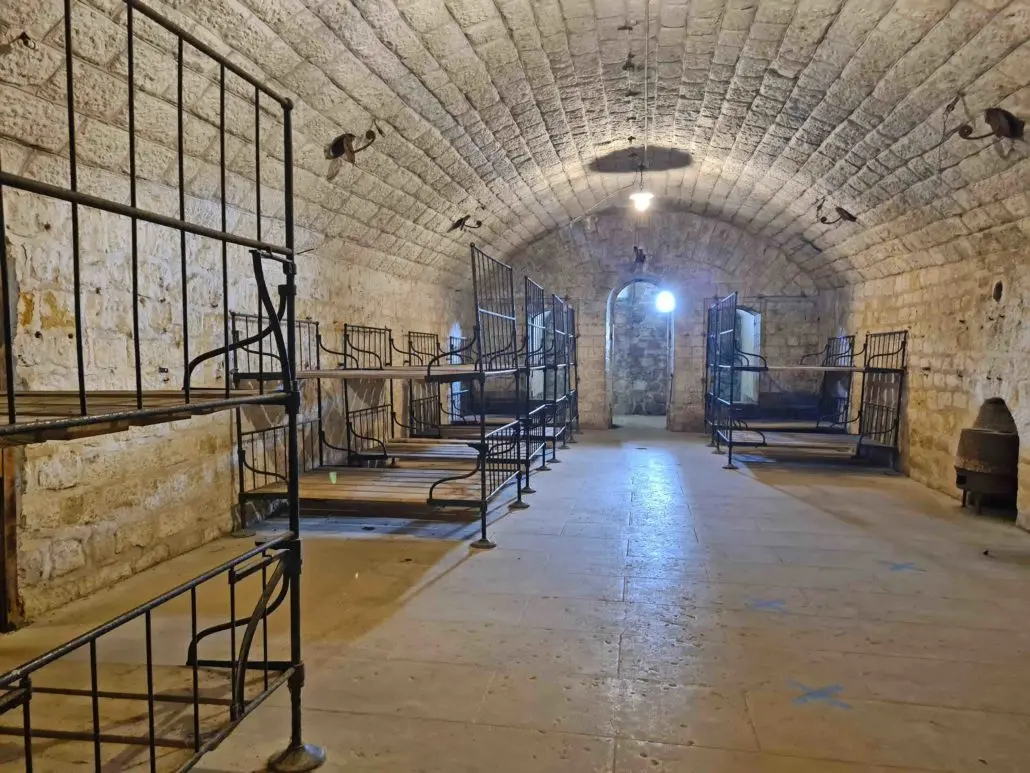
More than 100 years on, Fort Douaumont still bears the scars of the terrible Battle of Verdun. Visiting the fort, which has become a symbol, is like a trip back in time where you can experience daily life for both the French and German soldiers. Allow around 90 minutes to walk across the roof and explore inside.
The fort
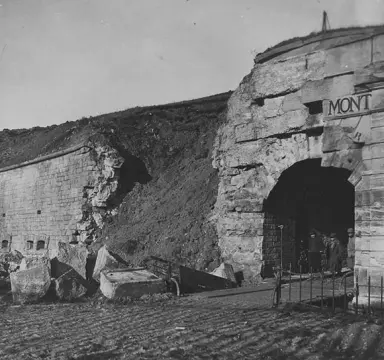
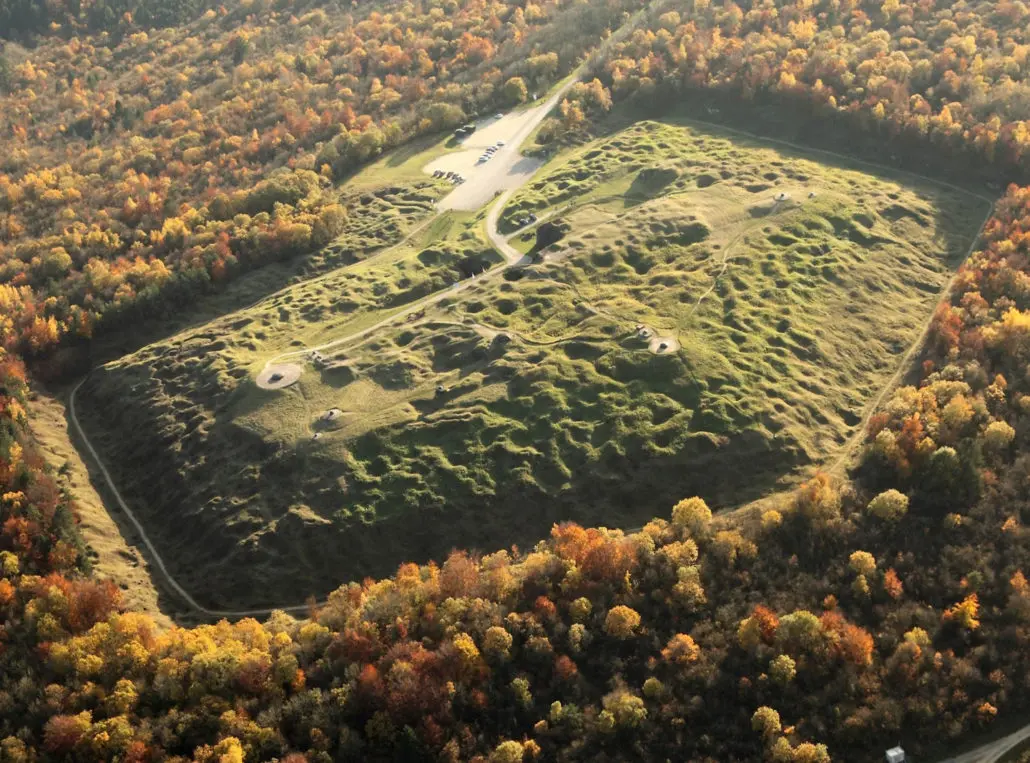
Fort Douaumont is the largest of the ring of forts around Verdun. It was occupied by the Germans throughout most of the battle, and suffered continual shelling. This mammoth site offers visitors an authentic immersion in a location where thousands of soldiers lived and fought. Fort Douaumont is synonymous with the Battle of Verdun.
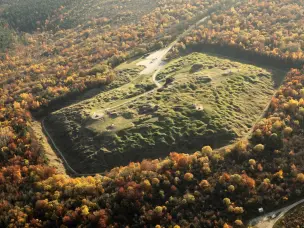
In 1873, General Séré de Rivières made the decision to build a fort on a hill 500 metres south-east of Douaumont village. The hill was 388 metres high and overlooked the Hauts de Meuse Plateau and the Woëvre Plain. Building began in 1884 as part of the second defensive belt of the Verdun fortifications. Covering almost nine hectares, it was the largest of the forts defending Verdun. But no sooner had it been finished than it was rendered obsolete by the torpedo shell crisis. In 1888, work began to cover the two-floor barracks with a special concrete shell. It was 2.5m thick on the western side and 1.5m thick on the eastern side. Between 1903 and 1913, the fort’s gun turrets were added: first of all two machine-gun turrets, then the 155mm turret and lastly the 75mm turret.The firing angle of the 155mm turret stretches from Côte-du-Poivre in the west to the foot of the Meuse hills in the south-east. During the same period, the Bourges bunker and the cupolas were added on the superstructure of the fort. The building could originally house 800 men. The garrison was reduced to upwards of 500 after the modernisations. Its location and its weaponry made Douaumont one of the most important forts in the ring that surrounded Verdun. In total, including the various modernisations, it cost more than 6 million gold francs.
Key dates
25 February 1916
Fort captured by the German army
8 May 1916
Accidental explosion at the fort. Between 800 and 1,000 German soldiers are killed.
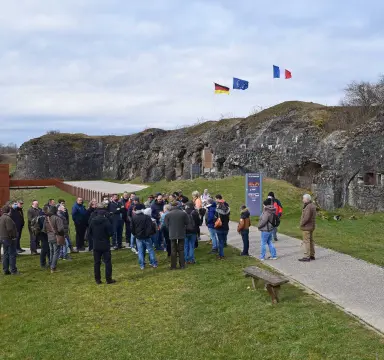
We welcome school groups from primary and secondary schools to our sites and to the Verdun Battlefield throughout the year, to assist you in passing on the history of the Great War and the Battle of Verdun.
We are delighted to welcome groups to the Memorial and Fort Douaumont throughout the year. A group consists of a minimum of 20 people. Bookings are required for all group visits.
Fort Douaumont is at the heart of the Verdun Battlefield, on the heights above the town of Verdun, in the destroyed village of Douaumont. The Fort has free car parking.
From Verdun (10 minutes): Follow signs for “Champ de bataille” (battlefield)
From Paris (3 hours) and Reims (1 hour 15 minutes): Take the A4 motorway and leave at exit 30, “Voie Sacrée”
From Strasbourg (2 hours 30 minutes) and Metz (1 hour): Take the A4 motorway and leave at exit 31, “Verdun”
The nearest TGV station is Meuse TGV, which is 25km from Verdun. Meuse TGV can be reached in 1 hour from Paris, 1 hour 30 minutes from Strasbourg, 2 hours from Lille and 5 hours 15 minutes from Bordeaux.
From Meuse TGV: hire a car, take a taxi or catch a shuttle bus to Verdun station
From Verdun station: hire a car, take a taxi or rent an electric bike from the Tourist Office


Getting here
Fort Douaumont is at the heart of the Verdun Battlefield, on the heights above the town of Verdun, in the destroyed village of Douaumont. The Fort has free car parking.